
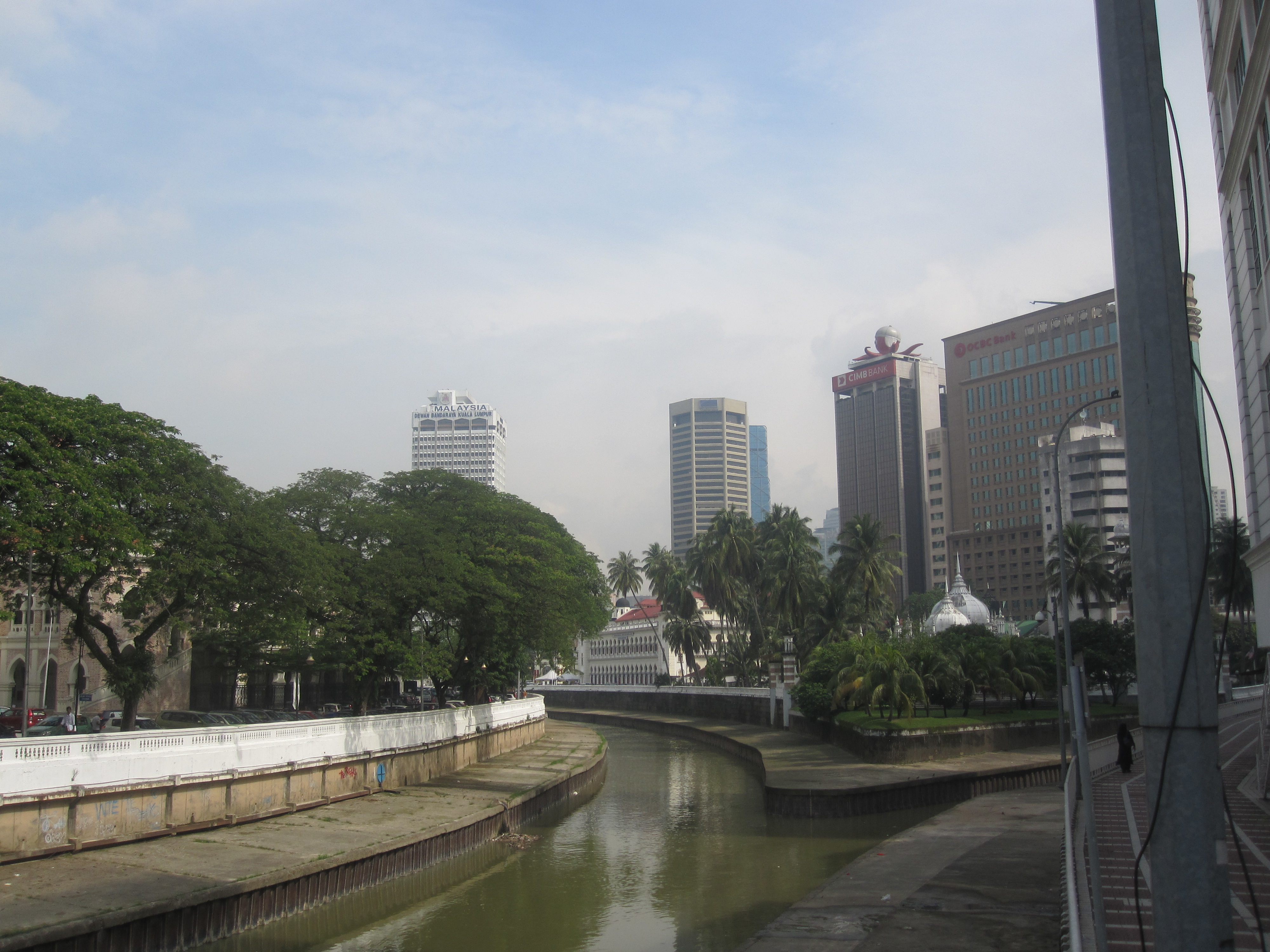
Kuala Lumpur means a meeting of muddy rivers. In the early days, people came here for the mining of tin and for trading. Kuala Lumpur, or KL, as it is referred, is still a place in the middle. For the city itself, its progressing from old to new, remaking itself into a hub of South Asian business to rival, in its image, that of the titan Singapore or Hong Kong. On a grand scale, the Petronas Towers are the tallest pair of towers in the world [some call them the Twin Towers, but being an American, I really don’t think that I can].
On a more subtle basis, there is the street to street takeover of the bank buildings, climbing up like interest rates as they over-take their crumbling neighbors, the vestiges of KL’s past. According to the heritage tour that I took, there are no measures in place to protect or maintain the old colonial roots of KL. In fact, the nicest colonial style building I’ve seen is my hostel. The tour, offered for free, wasn’t even government sponsored, but from a private council.
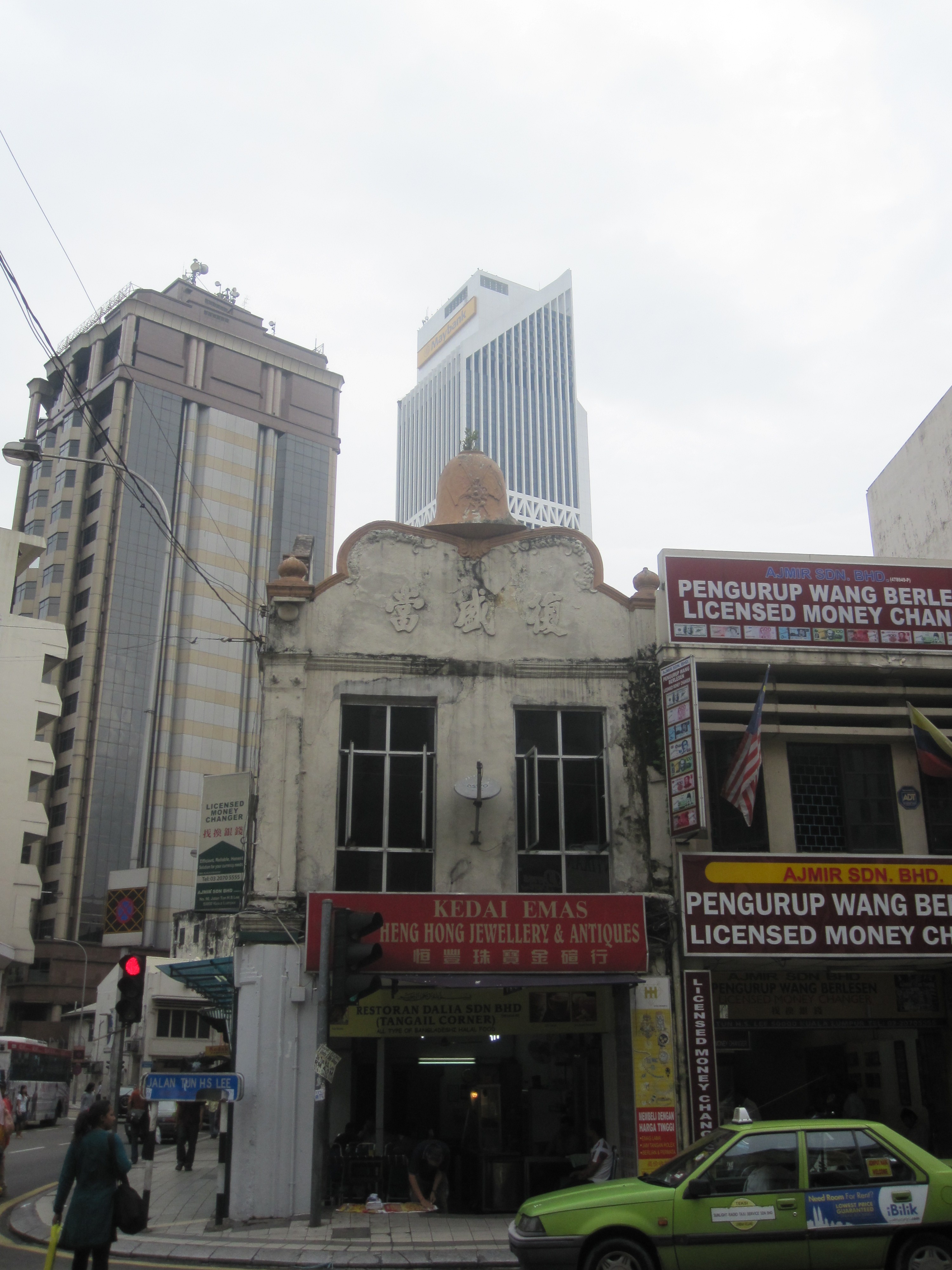
The mix of native Malays and generations of Chinese and Indian immigrants has created a diverse cultural blend here, but I can’t help but feel that most of their cultural displays created just for the benefit of the tourists (maybe that’s because I spend most of my time traveling through the food stalls and hawker lean-tos in Chinatown). With no focus on real thoughts of the past, KL is truly a city in transit, living in the present for the future.
A city in transit for travelers in motion– Kuala Lumpur is a gateway of sorts for backpackers and vagabonds. Travelers may fly to the large, KLIA terminal on Air Emirates from their homes in Europe or North America before flying out of the low-cost airport on AirAsia to their true, desired location. If not flying in, backpackers will use KL as the bus hub, allowing them a break from the days of bus-riding it takes to travel from Singapore or Melaka up to Thailand and beyond.

There are a few things to do here to keep tourists interested for a few days — the aforementioned heritage tour, 2 large parks containing bird and butterfly areas along with gardens and greens, the Petronas buildings, KL Tower, aquarium, and just outside the city, the Batu Caves.

On street level, the Chinese and Indian quarters are packed with enough food stands and discount goods to keep your belly and bag full for days. However, many travelers are more inclined to grab their brand of toothpaste and a quick nap before moving on than truly revering the city.



 One girl... One backpack...